1255 Niagara Street Buffalo, NY 14213

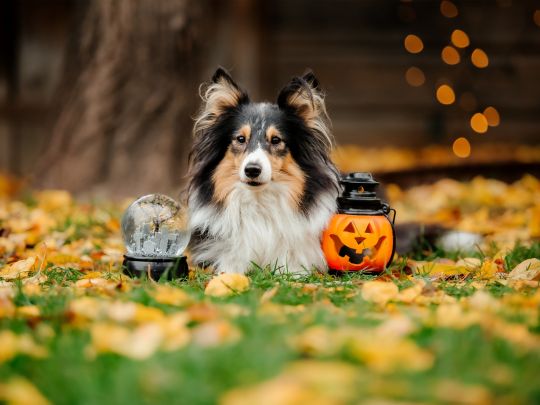
Halloween brings candy bowls, homemade desserts, and festive gatherings to homes throughout Buffalo and nearby New York communities. While these treats make the celebration enjoyable for families, some can seriously harm pets.
Chocolate, sugar-free candy, raisins, and certain baked goods contain ingredients that can cause poisoning in dogs and cats. Even candy wrappers can create dangerous intestinal blockages.
Understanding which Halloween foods pets should never eat, recognizing warning signs, and knowing when to contact a veterinarian can help prevent medical emergencies.
What Halloween Foods Are Dangerous for Dogs and Cats?
Several popular Halloween treats contain ingredients that animals cannot safely process. The severity of poisoning depends on the substance, amount consumed, and individual pet.
1. Chocolate and Chocolate-Covered Candy
Chocolate contains theobromine and caffeine, substances that can affect the nervous system and heart.
Dark chocolate, baking chocolate, and cocoa powder contain higher concentrations of these compounds than milk chocolate.
Possible symptoms include:
- Vomiting and diarrhea
- Restlessness or hyperactivity
- Increased heart rate
- Excessive thirst
- Tremors or seizures
Chocolate poisoning can become life-threatening. Never assume a small amount is harmless without veterinary guidance.
2. Sugar-Free Candy and Gum Containing Xylitol
Some sugar-free Halloween sweets contain xylitol, also labeled as birch sugar.
This sweetener can trigger a rapid drop in blood sugar in dogs and may cause serious liver damage.
Symptoms can include weakness, vomiting, difficulty walking, collapse, and seizures.
Xylitol poisoning requires immediate veterinary attention, even if the animal initially appears normal.
3. Raisins and Chocolate-Covered Raisins
Small boxes of raisins sometimes appear in Halloween treat bags as alternatives to candy.
However, raisins and grapes can cause sudden kidney injury in dogs. The toxic amount varies, making it impossible to establish a reliably safe portion.
Cats should also avoid these foods because potential toxicity remains a concern.
Chocolate-covered raisins introduce an additional poisoning risk.
4. Caramel, High-Fat Candy, and Halloween Desserts
Caramel candies, buttery cookies, cupcakes, and rich desserts may upset digestion.
Large amounts of fatty foods can also trigger pancreatitis, which is inflammation of the pancreas.
Symptoms may include abdominal discomfort, vomiting, diarrhea, and reduced appetite.
Some complications develop days after ingestion, so continued observation and veterinary guidance are important.
5. Candy Wrappers and Treat Packaging
Halloween candy wrappers are dangerous even when the candy itself is not toxic.
Foil, plastic, and cellophane can cause choking or intestinal obstruction.
A pet that swallows packaging may develop repeated vomiting, abdominal pain, or difficulty passing stool.
These symptoms require prompt veterinary evaluation.
What Should You Do If Your Pet Eats Halloween Candy?
The right response depends on what your pet ate and the symptoms it shows.
Call our animal hospital now if you suspect your pet has eaten chocolate, xylitol, raisins, or another potentially toxic ingredient.
Before contacting a vet near you, gather the following information:
- The candy’s name and ingredient list
- Approximate amount consumed
- Time of possible ingestion
- Your pet’s weight and current symptoms
Do not induce vomiting or administer human medications without veterinary instructions.
Dr. Stevens can help pet owners understand potential food-related health concerns and determine appropriate next steps.
When Is Halloween Food Poisoning an Emergency?
Not every digestive symptom indicates poisoning. However, suspected exposure to toxic ingredients requires immediate professional advice.
A single mild digestive episode after eating a confirmed non-toxic food may be monitored at home if a veterinarian recommends observation.
Persistent vomiting, diarrhea, reduced appetite, or abdominal discomfort warrants a veterinary examination.
Seizures, collapse, severe weakness, breathing difficulties, or suspected xylitol ingestion require emergency veterinary attention.
Veterinary treatment may involve blood testing, monitoring, supportive medications, or intravenous fluids. The approach depends on the exposure and clinical findings.
How Can You Prevent Halloween Food Emergencies?
A few household precautions can reduce accidental ingestion during Halloween celebrations.
- Store candy in closed cabinets rather than accessible bowls.
- Keep trick-or-treat bags away from pets.
- Dispose of wrappers in secure trash containers.
- Avoid sharing Halloween desserts or party leftovers.
- Offer veterinarian-approved pet treats instead of human candy.
- Remind children and visitors not to feed sweets to animals.
These precautions are particularly important for curious puppies and kittens that explore unfamiliar objects.
Protect Your Pet’s Health This Halloween
Halloween should be filled with enjoyable memories, not preventable veterinary emergencies. Keeping dangerous foods out of reach and responding quickly to accidental ingestion can protect your pet’s health.
At West Side Pet Clinic, we provide veterinary examinations, preventive care, and guidance for pet owners throughout Buffalo and nearby communities.
If you notice concerning symptoms or need a veterinarian in Buffalo, call our hospital at +1 716-882-1245 to discuss your pet’s condition and schedule an appropriate examination. If you suspect serious poisoning outside clinic hours, contact an emergency veterinary hospital immediately.
Frequently Asked Questions
1. Can One Piece of Halloween Chocolate Poison a Dog?
Ans: Yes, depending on the chocolate type, portion size, and the animal’s weight. Dark chocolate poses a greater risk than milk chocolate. Contact our veterinarian from West Side Pet Clinic immediately after suspected ingestion rather than waiting for symptoms.
2. How Soon Do Halloween Candy Poisoning Symptoms Appear?
Ans: Some reactions develop within minutes or hours, while others take longer. Xylitol may cause rapid symptoms, whereas pancreatitis can develop over several days. Veterinary guidance matters even if your pet initially appears healthy.
3. Are Sugar-Free Halloween Treats Safe for Cats?
Ans: Sugar-free treats are not recommended for cats. Some contain ingredients that may cause digestive problems, and packaging can create choking hazards. Check ingredient labels and seek veterinary advice following accidental ingestion.
4. Can Dogs Eat Plain Pumpkin Instead of Halloween Candy?
Ans: Plain, cooked pumpkin without added sugar or spices is generally safe in small portions. Avoid pumpkin pie filling, sweetened desserts, and products that may contain harmful ingredients. Ask our veterinarian from West Side Pet Clinic about suitable portions.
5. What Happens During a Veterinary Examination for Candy Poisoning?
Ans: A veterinarian may review the ingredients consumed, examine your pet, and recommend blood tests or monitoring. Treatment depends on the suspected toxin and clinical condition. Some cases require referral for emergency hospitalization.
6. Should I Wait for Symptoms After My Pet Eats Halloween Candy?
Ans: No. Certain toxic ingredients can cause serious complications before obvious symptoms appear. Contact our vet at West Side Pet Clinic promptly, provide the candy packaging, and follow the recommended instructions.
Related Articles
