1255 Niagara Street Buffalo, NY 14213

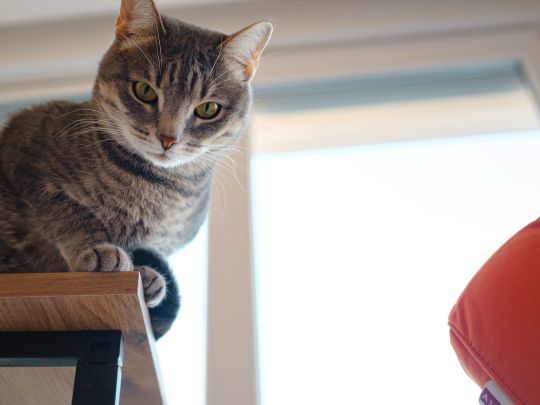
Finding scratches on your sofa, curtains, or furniture can be frustrating for many cat parents. However, scratching is not a sign that your cat is being destructive or misbehaving. It is a natural activity that supports claw health, stretching, communication, and emotional well-being.
Understanding cat scratching behavior can help you respond in a way that protects your home while allowing your cat to follow their natural instincts. At West Side Pet Clinic, pet parents often ask how they can reduce unwanted scratching and encourage healthier habits at home.
The goal is not to stop scratching completely. Instead, the focus should be on understanding why your cat scratches and providing appropriate options that meet their needs.
Why Do Cats Scratch Furniture?
Cats scratch for several natural reasons. Furniture often becomes the target because it provides the texture, resistance, and location that many cats find satisfying.
Scratching Helps Maintain Healthy Claws
Cats use scratching to remove the outer layers of their claws. This helps keep their claws in good condition and maintain their natural claw structure.
Without suitable scratching surfaces, cats may choose furniture, carpets, or other household items to complete this normal grooming activity.
Scratching Is a Way to Communicate
Cats communicate through scent and body language. When they scratch, scent glands in their paws release signals that help mark their surroundings.
The visible marks also provide a message to other animals. This behavior is especially common in areas where cats feel comfortable or where they spend a lot of time.
Scratching Provides Physical Activity
Scratching is also a form of exercise. Many cats stretch their bodies, extend their legs, and work their muscles as they scratch.
This movement helps cats stay active and release energy throughout the day.
Furniture May Offer the Texture Cats Prefer
A cat may choose a sofa or chair because the material feels right under their claws. Some cats prefer rough textures that allow them to grip and pull.
The location also matters. Furniture placed near sleeping areas, entrances, or family gathering spaces may become more attractive to cats, as they naturally like to mark important areas.
Understanding Cat Scratching Behavior and Why It Continues
Cat scratching behavior is normal, but it can be challenging for pet parents when cats repeatedly choose household furniture over scratching posts.
Several factors may influence this habit, including:
- The scratching post is too short or unstable
- The material does not match the cat’s preference
- The scratching surface is placed in an area the cat rarely visits
- The cat has already developed a habit of scratching certain furniture
- Environmental changes create stress or uncertainty
Cats often return to the same scratching areas because their scent remains behind. This can encourage repeated use of the same spot.
If scratching habits suddenly change, it is important to consider that behavior changes may sometimes be connected to discomfort, stress, or other health concerns. A veterinarian can help determine whether further evaluation is needed.
How Can You Prevent Your Cat From Scratching Furniture?
One of the vital approaches is to redirect scratching rather than trying to remove this natural behavior. Cats need a safe place to scratch, and providing suitable alternatives can make a major difference.
Choose the Right Scratching Surface
A scratching post should match your cat’s preferences. Some cats enjoy vertical surfaces, while others prefer horizontal scratchers.
Consider providing:
- Tall posts that allow your cat to stretch fully
- Stable scratching boards that do not move
- Different textures such as cardboard, sisal, or wood
- Multiple scratching options around the home
Place scratching surfaces near furniture your cat already targets. This makes it easier for your cat to choose the appropriate option.
Reward Positive Habits
Cats learn through repetition and positive experiences. When your cat uses a scratching post, reward the behavior with praise, attention, or a small treat.
You can also make scratching areas more interesting by placing toys nearby or using catnip if your cat responds to it.
Avoid yelling or punishment. Negative reactions may create fear and may not teach your cat where scratching is acceptable.
Make Furniture Less Appealing
While your cat learns new habits, protecting furniture can help reduce damage.
Helpful strategies include:
- Covering commonly scratched areas temporarily
- Moving scratching posts closer to problem areas
- Providing more enrichment activities
- Keeping your cat’s claws maintained through regular nail checks
Consistency helps cats understand which areas are appropriate for scratching.
Can Stress Increase Scratching in Cats?
Changes in a cat’s environment may affect scratching habits. Cats can react to changes such as moving homes, new pets, unfamiliar visitors, or changes in daily routines.
In some situations, increased scratching may be part of a larger pattern of stress-related behavior. Other signs may include hiding more often, changes in appetite, reduced interaction, or changes in grooming.
Creating a predictable routine, providing safe resting spaces, and offering play opportunities may help your cat feel more comfortable.
If you need help understanding changes in your cat’s habits, you can visit our veterinary hospital for guidance on behavior concerns and overall wellness.
When Should You Seek Veterinary Guidance?
Many scratching issues can improve with environmental changes and proper redirection. However, a veterinary consultation may be helpful if your cat shows unusual changes in addition to scratching.
Schedule an examination if you notice:
- A sudden increase in scratching
- Signs of discomfort while walking or climbing
- Changes in eating or drinking habits
- Increased hiding or fearfulness
- Excessive licking or grooming
- Difficulty using areas they previously enjoyed
These signs may have different causes, so a veterinarian can help evaluate your cat’s overall condition and recommend appropriate next steps.
How West Side Pet Clinic Can Help With Cat Scratching Concerns
Managing cat scratching behavior starts with understanding your cat’s natural instincts and identifying what may be influencing their habits. With proper guidance, pet parents can create a home environment that supports healthy behaviors while reducing damage to furniture.
At West Side Pet Clinic, veterinary guidance can help pet parents understand their cat’s behavior, identify possible concerns, and explore practical ways to encourage better habits. If your cat continues to scratch furniture despite changes at home, scheduling a consultation can help you better understand your cat’s needs and develop a plan that supports long-term well-being.
FAQs
1. Why does my cat scratch furniture instead of the scratching post?
Ans: Cats may choose furniture because of its texture, stability, or location. Try offering different scratching surfaces and placing them near areas your cat already uses.
2. Is scratching furniture normal for cats?
Ans: Yes, scratching is a natural behavior that helps cats maintain their claws, stretch their muscles, and communicate. The goal is to redirect it to appropriate surfaces.
4. How can I train my cat to stop scratching my couch?
Ans: Provide attractive scratching alternatives, reward your cat for using them, and make furniture less appealing during the transition period. Consistency is important for creating new habits.
5. Can stress cause my cat to scratch more?
Ans: Environmental changes may influence scratching habits in some cats. Look for other behavior changes and consult a veterinarian if you notice ongoing concerns.
6. When should I take my cat to the veterinarian for scratching problems?
Ans: A veterinary visit may be helpful if scratching suddenly increases or is accompanied by signs such as discomfort, hiding, changes in appetite, or unusual behavior.
7. What type of scratching post is best for cats?
Ans: The right scratching post depends on your cat’s preference. Many cats prefer sturdy surfaces that allow them to stretch fully, while others prefer flat scratchers. Offering different options can help you find the right choice.
Related Articles
